Source lithium battery separator ethylene gas for Research, Production, Lab
Find 30 verified listings for lithium battery separator ethylene gas used in battery research, lab testing, and production. Compare specifications like thickness, width, and material properties from multiple suppliers to find the right fit for your needs; compare the available evidence and request quotations based on your requirements.
Key considerations
Products List




Comprehensive Sourcing Guide
Lithium Battery Separator Ethylene Gas Sourcing Guide
Procuring materials for lithium-ion battery production requires a nuanced understanding of both the chemical precursors and the physical separator components. While ethylene gas serves as a fundamental feedstock for creating polyethylene, the direct sourcing of high-purity ethylene is often managed by upstream chemical suppliers rather than battery manufacturers. Buyers must distinguish between the raw gas used in polymerization and the final polyethylene separator film, which is the critical component for cell safety and performance. This guide clarifies the distinct procurement paths for these related but separate industrial inputs, ensuring that sourcing teams do not conflate chemical supply chains with component manufacturing.
The intersection of ethylene derivatives and battery separators is most visible in the production of polyethylene-based films. Ethylene oxide, a derivative of ethylene, is a key intermediate in various chemical processes, though its direct role in separator manufacturing is less prominent than the polymerization of ethylene itself. Buyers should focus on the specifications of the final separator material, such as porosity, thickness, and thermal stability, rather than the purity of the initial gas. Understanding this distinction helps in evaluating supplier capabilities, as a gas supplier may not possess the extrusion and stretching technologies required to produce high-quality battery-grade separators.
Product Scope and Observed Listing Signals
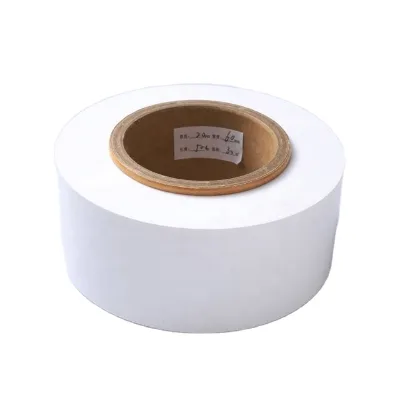
Market listings for lithium battery separators frequently highlight specific material compositions and physical dimensions that are critical for cell integration. Observed data indicates a strong presence of polyethylene (PE) based separators, with models such as GT-Set and GT-30 appearing in commercial catalogs. These products are often described with precise thickness ranges, such as 5-40 microns or customized options, and widths up to 2000mm. The transparency and hardness attributes, typically noted as opaque and soft, reflect the material's flexibility and visual characteristics, which are essential for automated winding or stacking processes in battery assembly lines.
In addition to the separator films, some listings include related chemical products like liquid ethylene gas or ethylene oxide gas, often packaged in seamless steel cylinders. These items, characterized by high pressure ratings and specific valve types like QF-2C, represent the upstream chemical inputs rather than the final separator product. Buyers must carefully parse these listings to identify whether the supplier is offering the raw chemical feedstock or the finished separator component. The presence of multiple product models, including those labeled for battery research, suggests a diverse portfolio that may cater to both industrial scale production and laboratory testing needs.
Technical Specifications to Verify
When evaluating polyethylene separators, buyers must verify critical physical parameters that directly impact battery performance and safety. Key specifications include puncture strength, which should meet or exceed thresholds such as 300 grams to ensure resistance against internal short circuits. Thickness uniformity is equally important, with typical tolerances around 8.0±1.0 microns for specific models, ensuring consistent ion transport across the cell. The length and width dimensions, often standardized at 455mm width and variable lengths, must align with the specific winding or stacking machinery used in the battery manufacturing facility to minimize waste and downtime.
For those sourcing upstream chemicals, verifying the purity and pressure ratings is essential. Ethylene gas listings often specify purity levels such as 99.999%, which is crucial for maintaining the quality of the resulting polymer. The pressure level, ranging from ultra-high pressure to standard industrial levels, dictates the storage and handling requirements. Buyers should confirm the valve types and cylinder capacities, such as 40L seamless steel cylinders, to ensure compatibility with existing gas distribution systems. Accurate verification of these technical details prevents production delays and ensures the chemical integrity of the final separator material.
Compliance and Safety Documentation
Safety and regulatory compliance are paramount when handling both chemical gases and battery components. Suppliers of ethylene gas and ethylene oxide must provide documentation confirming adherence to international safety standards, including proper labeling for flammable and toxic substances. The presence of certifications such as CE, RoHS, and ISO9001 indicates a commitment to quality management and environmental safety, which is vital for battery manufacturers aiming to meet global regulatory requirements. Buyers should request detailed safety data sheets (SDS) for all chemical inputs to understand handling, storage, and emergency response procedures.
For the separator films, compliance with battery-specific safety standards is equally critical. The material must demonstrate thermal stability and resistance to shrinkage at elevated temperatures to prevent cell failure. Buyers should verify that the supplier has undergone rigorous quality audits and holds relevant industry certifications. Documentation should also cover the environmental impact of the manufacturing process, particularly regarding the use of solvents or additives in the extrusion process. Ensuring that all products meet these compliance standards reduces liability and supports the sustainability goals of the battery production facility.
Cost Drivers and Commercial Terms
The cost of lithium battery separators is influenced by several factors, including raw material prices, manufacturing complexity, and order volume. Polyethylene prices fluctuate with global oil and gas markets, directly impacting the cost of the separator film. Customization options, such as specific thicknesses or widths, can increase production costs due to the need for specialized tooling and setup times. Buyers should negotiate volume discounts and long-term supply agreements to mitigate price volatility and secure consistent pricing for high-volume production runs.
Commercial terms for chemical gases like ethylene often involve strict delivery schedules and safety handling fees. The minimum order quantity (MOQ) can vary significantly, ranging from small laboratory quantities to large industrial shipments. Buyers must consider logistics costs, including the need for specialized transport for high-pressure cylinders. Payment terms and lead times should be clearly defined in contracts to avoid production disruptions. Understanding these cost drivers allows buyers to budget accurately and negotiate favorable terms that align with their production schedules and financial goals.
Supplier Qualification and Quality Control
Selecting a reliable supplier requires a thorough evaluation of their manufacturing capabilities and quality control processes. For separator manufacturers, buyers should assess the precision of their extrusion and stretching equipment, which determines the uniformity and strength of the final film. Suppliers with in-house research and development facilities, such as those offering products for battery research, are often better equipped to provide technical support and custom solutions. Verification of their production facilities, including cleanliness standards and automated inspection systems, is essential to ensure consistent product quality.
For chemical suppliers, qualification involves verifying their storage facilities, transportation networks, and safety protocols. Suppliers should demonstrate robust quality management systems, such as ISO9001 certification, to ensure batch-to-batch consistency. Buyers should request sample testing and third-party verification reports to confirm product specifications. Establishing a clear communication channel for quality issues and continuous improvement is also crucial. A qualified supplier will provide transparent reporting on production metrics and be responsive to any deviations from agreed-upon standards, ensuring a stable and reliable supply chain.
Long-Term Procurement Checks
Long-term procurement success depends on continuous monitoring of supplier performance and market trends. Buyers should establish key performance indicators (KPIs) for delivery reliability, product quality, and responsiveness to technical queries. Regular audits of supplier facilities and quality systems help identify potential risks before they impact production. Staying informed about advancements in separator technology, such as ceramic-coated films or new polymer blends, allows buyers to future-proof their supply chain and maintain a competitive edge in the battery market.
Additionally, buyers should diversify their supplier base to mitigate risks associated with single-source dependencies. Building strategic partnerships with suppliers who invest in innovation and sustainability can lead to long-term cost savings and improved product performance. Regular review of contract terms and market conditions ensures that pricing and service levels remain competitive. By maintaining a proactive approach to supplier management, buyers can ensure a stable supply of high-quality separators and chemicals, supporting the efficient and safe production of lithium-ion batteries.
FAQs
What is the purity level of the ethylene gas supplied?
The supplied ethylene gas features a high purity level of 99.999%. This specification ensures consistent performance for sensitive industrial applications. The product is identified by the abbreviation C2h4 and carries CAS Number 2.1/1962. It is packaged in 40L seamless steel cylinders, making it suitable for precise gas handling requirements in various manufacturing environments.
Can the lithium battery separator film be customized for specific needs?
Yes, the lithium battery separator film offers full customization options. Buyers can specify thickness ranging from 5 to 40 microns and breadth from 60mm to 2000mm. Lengths are also customizable from 1000m to 8000m. This flexibility allows manufacturers to tailor the PE separator film to exact production line requirements for optimal battery performance.
Which certifications are provided for the lithium battery separator film?
The lithium battery separator film comes with CE, RoHS, and ISO9001 certifications. These credentials verify compliance with international safety and quality management standards. The product is manufactured by AME, a brand recognized for producing reliable Li-ion separator films. These certifications support global sourcing requirements for battery production and laboratory research applications.
What is the minimum order quantity for the ethylene gas cylinders?
The minimum order quantity for the ethylene gas cylinders ranges from 1 to 10000 units. This flexible MOQ accommodates both small-scale testing and large-scale industrial supply needs. The gas is priced between 0.1 and 200 USD per unit. Buyers can select from various cylinder configurations to match their specific operational volume and budget constraints effectively.
How is the lithium battery separator film packaged for shipment?
The lithium battery separator film is packaged in PE bags, cartons, trays, or custom solutions. This versatile packaging ensures product protection during transit. The film is made from PE material with a soft hardness and opaque transparency. Custom packaging options are available to meet specific logistics requirements, ensuring the separator film arrives in optimal condition for battery assembly.
What is the origin of the supplied lithium battery separator film?
The lithium battery separator film originates from Tianjin, China. This location is a key hub for manufacturing advanced battery components. The product is produced by AME, a brand specializing in Li-ion separator films. Sourcing from this region provides access to established supply chains and competitive pricing for high-quality battery materials used in global energy storage applications.